Control panels, SCADA deployments, robotic cells and our own automated quality system — built, commissioned and running. Each entry below states which stages of the scope it covered.
Quality findings on the floor were captured on paper, which meant they surfaced late and could not be traced back to a part.
What we built
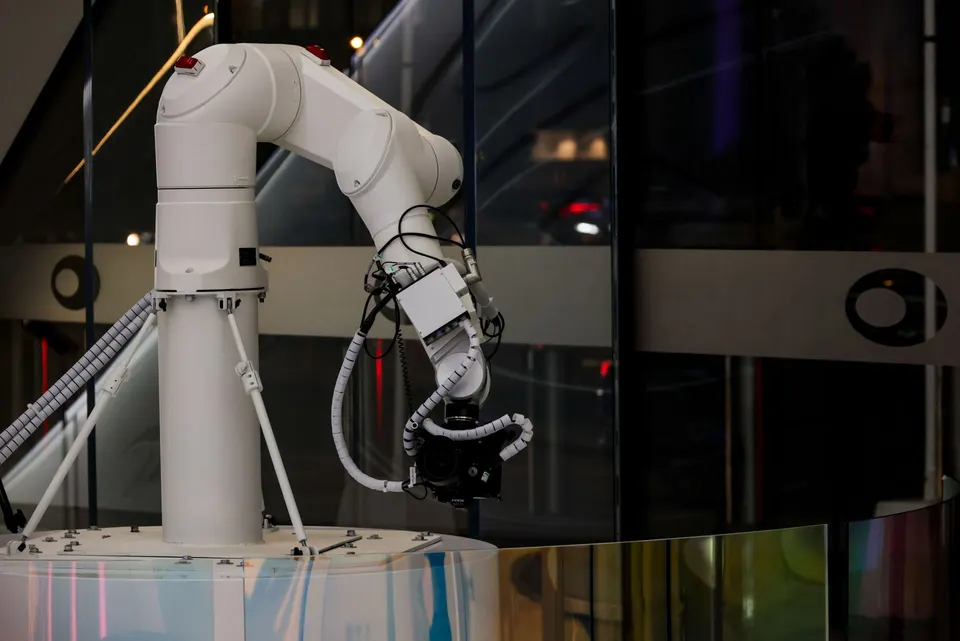
A capture-and-report system combining machine vision, thermography and leak detection, feeding a reporting portal that operators and quality staff share.
Platforms
Machine vision · Thermography · Reporting portal
Outcome
Manual records eliminated, inspections traceable per part, and a decrease in the service call rate — corrective action now starts from live information rather than an end-of-shift summary.
AGV Network Architecture
Stage covered: Design
Stage not covered: Machining
Stage covered: Controls
Stage not covered: Verification
The need
Automated guided vehicles had to exchange live data with process controllers and supervisory clients without becoming a single point of failure.
What we built
A Profinet network laid out in a ring and star topology, connecting process PLCs, SCADA clients and a central historian.
Platforms
Profinet · SCADA · Process PLCs
Outcome
Real-time data transfer between the vehicles, the line controllers and the database, with a topology that survives a single link failure.
SCADA Interface Design
Stage not covered: Design
Stage not covered: Machining
Stage covered: Controls
Stage covered: Verification
The need
Line data existed but was unreadable — operators could not tell a developing problem from normal variation.
What we built
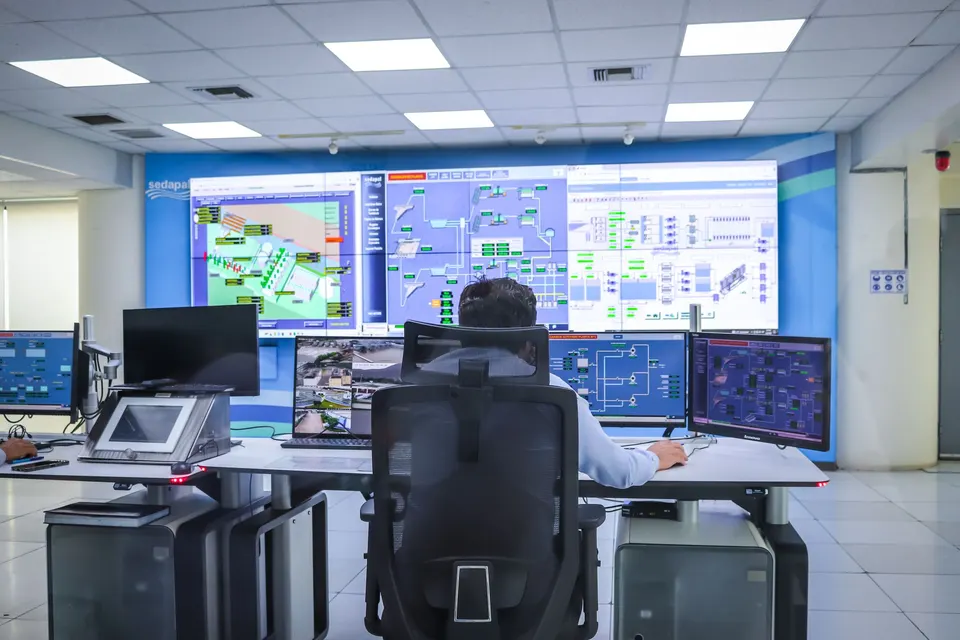
Supervisory interfaces built on Cimplicity and Ignition, with thermal mapping and defect lists surfaced where the work happens.
Platforms
Cimplicity · Ignition
Outcome
Floor state legible at a glance, with the same data reaching engineering and quality without a separate report.
Control Panels
Stage covered: Design
Stage covered: Machining
Stage covered: Controls
Stage not covered: Verification
The need
Panels bought in from third parties arrived wired to inconsistent standards, which made maintenance slow and faults hard to trace.
What we built
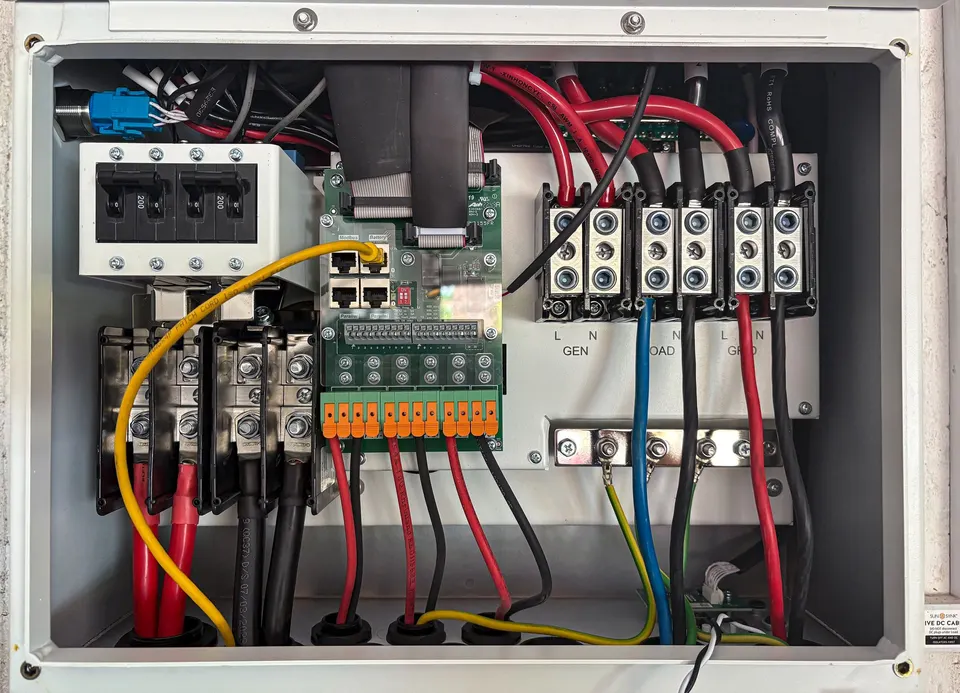
Panels designed, fabricated, wired and commissioned in-house, with layouts documented for the people who maintain them.
Platforms
Allen Bradley · Siemens · Emerson · Festo
Outcome
A consistent wiring standard across the installed base, and faults that can be traced from the drawing rather than from memory.
Robotic Cells
Stage covered: Design
Stage covered: Machining
Stage covered: Controls
Stage covered: Verification
The need
Manual welding and assembly stations set the pace of the line and varied with the operator.
What we built
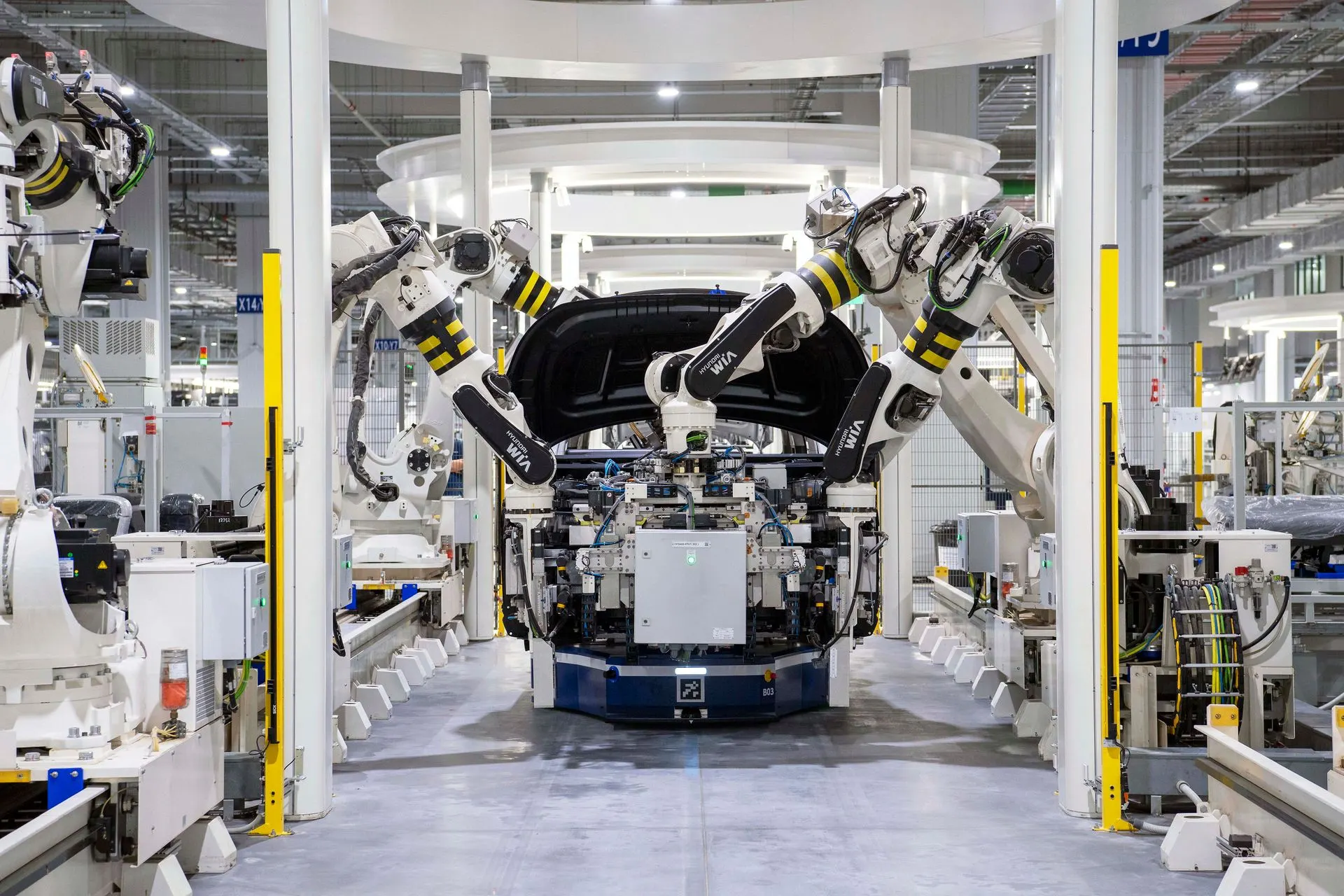
Turnkey robotic cells — cell design, fixture manufacture, robot integration, safety scheme and commissioning — for welding and assembly.
Platforms
Robot integration · Safety systems · Custom fixtures
Outcome
Repeatable cycles independent of who is on shift, with the fixtures and the controls built by the same team that designed the cell.
Ask for the one closest to your part.
Every project here has drawings, a commissioning record and people who ran it. Tell us what you are sourcing and we will send the nearest comparable, or say plainly that we have not built one.